Air Conditioning: Comfort, Efficiency, and Modern Living
Wiki Article
Air conditioning is now an essential section of modern life, especially in regions with hot and humid climates. From homes and offices to hospitals and shopping centers, Furnace Maintenance systems provide comfort, improve air quality, and support productivity. As technology advances, today’s air conditioning solutions will be more energy-efficient, eco-friendly, and adaptable than any other time.
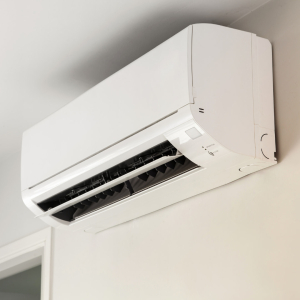
What Is Air Conditioning?
Air conditioning is the process of controlling indoor temperature, humidity, and air quality to make a comfortable environment. An ac system removes heat from indoor air and replaces it with cooler air, while filtering dust, allergens, and pollutants. Modern systems can lead you to features like humidity control, air purification, and smart temperature management.
Types of Air Conditioning Systems
There are some types of air conditioning systems, each built to meet different needs:
1. Split Air Conditioners
Split AC systems consist of an indoor unit as well as an outdoor unit. They are popular for homes and small offices because of the quiet operation, sleek design, and efficient cooling performance.
2. Window Air Conditioners
Window AC units are compact systems installed in a window or wall opening. They are affordable and ideal for cooling single rooms, causing them to be a practical choice for small spaces.
3. Central Air Conditioning
Central air conditioning systems cool entire buildings via a network of ducts. They are widely used in large homes, offices, hotels, and commercial spaces where consistent cooling is essential throughout multiple rooms.
4. Portable Air Conditioners
Portable AC units can be moved from area to area and require minimal installation. They are ideal for temporary cooling needs or spaces where permanent installation isn't likely.
5. Ductless Mini-Split Systems
Ductless systems offer zoned cooling without making use of ductwork. They are energy-efficient and allow users to regulate temperatures in individual rooms independently.
Benefits of Air Conditioning
Air conditioning offers more than merely relief from heat. Key benefits include:
Improved Comfort: Maintains a consistent indoor temperature regardless of outdoor conditions.
Better Air Quality: Filters out dust, pollen, and airborne contaminants.
Enhanced Productivity: Comfortable environments help people focus better at the job and home.
Humidity Control: Reduces excess moisture, preventing mold growth and protecting furniture and electronics.
Health Benefits: Helps people with respiratory issues by giving cleaner, cooler air.
Energy Efficiency and Modern Technology
Energy efficiency is really a major focus in today’s air cooling industry. Inverter technology, as an example, allows compressors to alter their speed based on cooling demand, reducing energy consumption and lowering power bills. High Seasonal Energy Efficiency Ratio (SEER) ratings indicate better performance and efficiency.
Smart air conditioners might be controlled via smartphones or smart home systems, allowing users to schedule cooling, monitor energy usage, and optimize comfort. These innovations not just save energy but in addition reduce environmental impact.
Choosing the Right Air Conditioning System
Selecting the right air conditioner is dependent upon several factors:
Room Size: An undersized unit won’t cool effectively, while a large one wastes energy.
Climate: Hot and humid regions require more powerful and efficient systems.
Energy Efficiency: Look for high energy ratings to lessen long-term costs.
Installation Requirements: Consider space, ventilation, and electrical capacity.
Budget: Balance upfront cost with long-term energy savings and maintenance expenses.
Consulting an expert HVAC technician might help ensure the most suitable choice for your specific needs.
Maintenance and Care
Regular maintenance is vital for optimal performance and longevity. Basic maintenance includes cleaning or replacing air filters, checking refrigerant levels, and ensuring proper airflow. Professional servicing at least one time a year helps in avoiding breakdowns, improves efficiency, and extends lifespan of the system.
Neglecting maintenance can result in higher energy bills, poor cooling performance, and expensive repairs.
The Future of Air Conditioning
The future of air cooling is focused on sustainability and innovation. Eco-friendly refrigerants, solar-powered systems, and AI-driven climate control are becoming more common. These advancements aim to lessen carbon emissions and keep high comfort standards.
As global temperatures rise, efficient and responsible cooling solutions can play an increasingly natural part in everyday life.
Air conditioning has stopped being a luxury—it can be a necessity for comfort, health, and productivity. With a massive amount systems available and continuous technological advancements, consumers have more choices than in the past. By selecting the best system, prioritizing energy efficiency, tweaking it properly, air-con can provide reliable comfort while minimizing environmental impact.